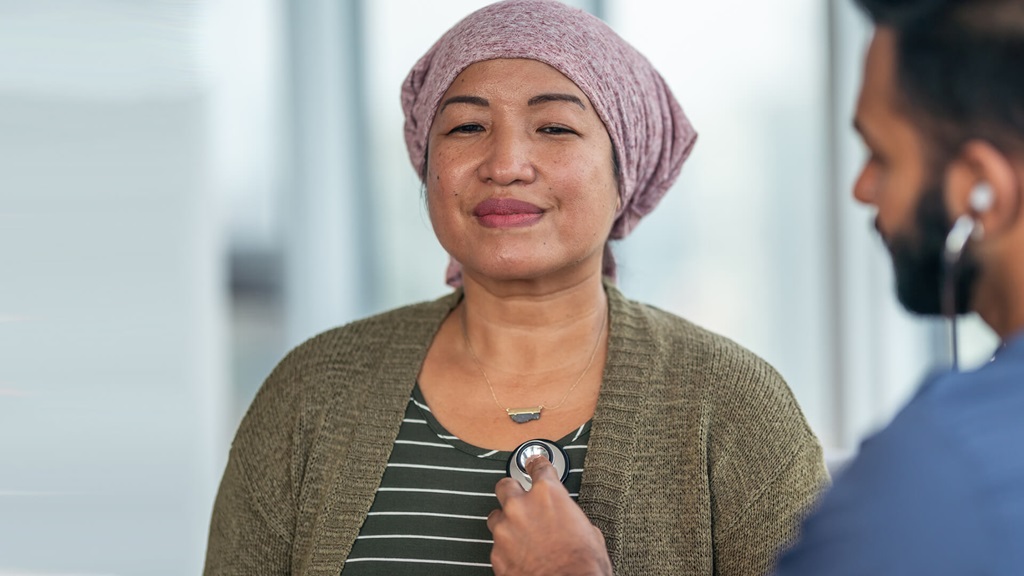
Cancer treatments have helped millions of people live longer, but they can also affect your heart. Here’s what every cancer survivor and those still in treatment should know.
1. Cancer treatments can affect your heart
Chemotherapy, radiation, and targeted therapies can sometimes damage the heart muscle, disrupt heart rhythms, or increase the risk of blood clots and high blood pressure. The risk depends on your type of cancer, treatment plan, and personal health history. Protecting your heart is important not just during treatment, but for years afterward.
2. Monitoring heart health during treatment is essential
Before starting cancer therapy, your care team may recommend a baseline heart evaluation. Ongoing monitoring helps detect any heart changes early, so your treatment can be adjusted if needed. At Atrium Health, cardio-oncologists work with oncologists to create personalized monitoring plans, including advanced imaging and regular check-ups.
3. After treatment, heart health still matters
Some heart problems can develop months or even years after cancer therapy ends. Survivors should continue regular heart check-ups and report any new symptoms, such as shortness of breath, chest pain, or palpitations. Atrium Health’s cardio-oncology program has provided care for more than 3,000 new patients since 2019, offering long-term, follow-up and tailored heart rehabilitation care for cancer survivors. The program has seen significant growth since it started, with more than 12,000 visits from both new and returning patients.
4. Cardio-oncologists are key partners in your care
Cardio-oncologists are specialists who understand both cancer and heart disease. They help assess your risk, monitor your heart, and manage any side effects or complications. Atrium Health’s cardio-oncology program brings together world-class cardiologists, oncologists, nurse navigators, and pharmacists from Atrium Health Sanger Heart & Vascular and Atrium Health Levine Cancer to support you at every stage. The program is one of only two in the Carolinas to earn Gold Center of Excellence status from the International Cardio-Oncology Society, its highest certification.
5. Know the numbers: why heart health is so important
Cardiovascular disease is the leading cause of death in the U.S., even among cancer survivors. Studies show that breast cancer survivors, for example, have a higher risk of heart disease than the general population.
If you’re a cancer survivor or currently in treatment, talk to your care team about your heart health. Cardio-oncologists can help you understand your risks and create a plan to keep your heart strong for years to come.
Dr. Amar Parikh, cardio-oncologist at Atrium Health Sanger Heart & Vascular Institute, says collaboration is key when it comes to protecting the heart during cancer treatment. “Our goal is to ensure that patients not only survive cancer but also maintain their long-term heart health,” said Dr. Parikh. “Cardio-oncology is about bringing together the expertise of cardiology and oncology to detect heart issues early, minimize long-term damage, and help patients live full, healthy lives beyond treatment.”
Dr. Parikh and his colleagues work closely with providers across Atrium Health Levine Cancer to create integrated care plans for cancer patients with elevated cardiac risk. This includes preventive heart screenings, imaging, and ongoing follow-up that continues long after cancer treatment ends.
Learn more about cardio-oncology care at Atrium Health.


